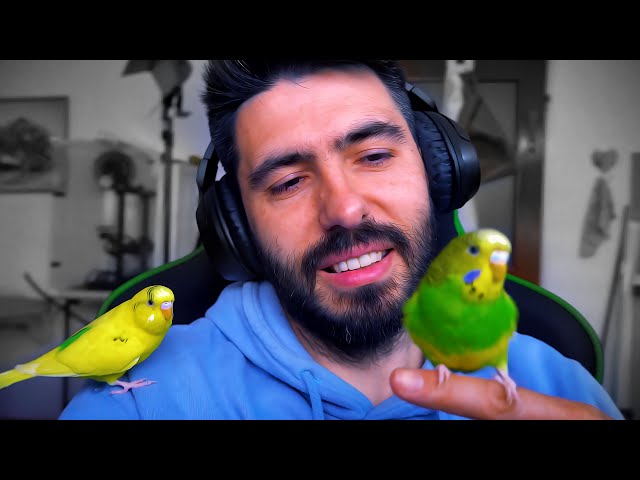
Budgies, also known as parakeets, are small, colorful birds that are popular pets. They are known for their playful and affectionate nature, and many owners report that budgies get attached to their owners.
There is some scientific evidence to support the claim that budgies can form attachments to their owners. For example, one study found that budgies that were exposed to human speech showed increased levels of oxytocin, a hormone that is associated with bonding and attachment. Additionally, budgies that were hand-raised by humans were more likely to seek out human contact and showed signs of distress when separated from their owners.
While more research is needed to fully understand the nature of the bond between budgies and their owners, it is clear that these birds are capable of forming strong attachments to humans. This makes them ideal pets for people who are looking for a companionable and affectionate bird.
Do Budgies Get Attached to Their Owners?
Budgies, also known as parakeets, are popular pets due to their playful and affectionate nature. Many owners believe that budgies can form strong attachments to their owners, and there is some scientific evidence to support this claim.
- Companionship: Budgies are social creatures that enjoy spending time with their owners.
- Interaction: They can learn to recognize their owners’ voices and respond to their touch.
- Affection: Budgies may show affection by preening their owners or cuddling up to them.
- Separation anxiety: Budgies that are attached to their owners may show signs of distress when separated from them.
- Hormonal bonding: Studies have shown that budgies that are exposed to human speech have increased levels of oxytocin, a hormone associated with bonding.
- Hand-raising: Budgies that are hand-raised by humans tend to be more attached to their owners than those that are not.
- Individuality: Like humans, each budgie has its own unique personality, and some budgies may be more attached to their owners than others.
Overall, while more research is needed to fully understand the nature of the bond between budgies and their owners, it is clear that these birds are capable of forming strong attachments to humans. This makes them ideal pets for people who are looking for a companionable and affectionate bird.
Companionship
The fact that budgies are social creatures that enjoy spending time with their owners is a key factor in their ability to form strong attachments to their owners. Budgies are naturally curious and playful birds, and they enjoy interacting with their human companions. They may follow their owners around the house, perch on their shoulders, or even cuddle up to them. This social interaction is essential for a budgie’s well-being, and it helps to create a strong bond between the bird and its owner.
In addition, budgies are very vocal birds, and they often communicate with their owners through chirping and singing. This vocal interaction can help to further strengthen the bond between the bird and its owner, as it allows them to communicate and interact with each other.
Overall, the fact that budgies are social creatures that enjoy spending time with their owners is a key factor in their ability to form strong attachments to their owners. This social interaction is essential for a budgie’s well-being, and it helps to create a strong bond between the bird and its owner.
Interaction
The ability of budgies to learn to recognize their owners’ voices and respond to their touch is a key factor in their ability to form strong attachments to their owners. This interaction helps to create a sense of familiarity and trust between the bird and its owner, which is essential for a strong bond.
- Vocal Recognition: Budgies can learn to recognize their owners’ voices, and they will often respond to their owners’ calls or whistles. This vocal recognition is a sign that the budgie has bonded with its owner and sees them as a familiar and trusted companion.
- Touch Response: Budgies can also learn to respond to their owners’ touch. They may enjoy being petted, stroked, or cuddled, and they may evenaffection. This touch response is a sign that the budgie feels comfortable and secure with its owner.
- Play and Interaction: Budgies are naturally curious and playful birds, and they enjoy interacting with their owners. They may enjoy playing games, such as fetch or hide-and-seek, and they may also enjoy simply perching on their owners’ shoulders or hands.
- Socialization: Budgies are social creatures, and they need to interact with other budgies or with their human owners in order to be happy and healthy. This interaction helps to prevent boredom and loneliness, and it also helps to strengthen the bond between the budgie and its owner.
Overall, the ability of budgies to learn to recognize their owners’ voices and respond to their touch is a key factor in their ability to form strong attachments to their owners. This interaction helps to create a sense of familiarity and trust between the bird and its owner, which is essential for a strong bond.
Affection
Affection is a key component of the bond between budgies and their owners. Budgies may show affection by preening their owners, cuddling up to them, or even singing to them. These affectionate behaviors are a sign that the budgie trusts and cares for its owner.
Preening is a natural behavior for budgies, and it is a way for them to show affection and care for their flock mates. When a budgie preens its owner, it is essentially saying that it sees its owner as part of its flock and that it cares for them. Cuddling up to their owners is another way that budgies show affection. Budgies are social creatures, and they enjoy being close to their flock mates. When a budgie cuddles up to its owner, it is seeking comfort and companionship.
Affection is an important part of the bond between budgies and their owners. It is a sign that the budgie trusts and cares for its owner, and it helps to strengthen the bond between them. Owners can encourage affection from their budgies by spending time with them, talking to them, and petting them.
Separation anxiety
Separation anxiety is a common problem in budgies that are attached to their owners. When a budgie is separated from its owner, it may show signs of distress, such as pacing, feather plucking, and excessive vocalization. In severe cases, a budgie may even self-mutilate.
-
Facet 1: Causes of Separation Anxiety
Separation anxiety is caused by a variety of factors, including:- A strong bond between the budgie and its owner
- A sudden change in the budgie’s routine
- A lack of socialization with other budgies
- A history of trauma or abuse
-
Facet 2: Symptoms of Separation Anxiety
The symptoms of separation anxiety can vary from mild to severe. Some common symptoms include:- Pacing
- Feather plucking
- Excessive vocalization
- Self-mutilation
- Loss of appetite
- Lethargy
- Depression
-
Facet 3: Treatment of Separation Anxiety
The treatment of separation anxiety depends on the severity of the symptoms. In mild cases, simply providing the budgie with more attention and socialization may be enough to reduce the symptoms. In more severe cases, medication may be necessary. -
Facet 4: Prevention of Separation Anxiety
There are a number of things that can be done to prevent separation anxiety in budgies. These include:- Providing the budgie with plenty of attention and socialization
- Gradually introducing the budgie to new people and situations
- Creating a routine for the budgie and sticking to it as much as possible
- Providing the budgie with a safe and comfortable place to sleep
Separation anxiety is a common problem in budgies that are attached to their owners. However, it can be managed with proper care and treatment.
Hormonal bonding
The hormonal connection between budgies and their owners is a fascinating aspect of their relationship. Studies have shown that budgies that are exposed to human speech have increased levels of oxytocin, a hormone that is associated with bonding and attachment. This suggests that budgies are able to form strong bonds with their human companions, and that these bonds are strengthened through vocal interaction.
-
Facet 1: The Role of Oxytocin
Oxytocin is a hormone that is produced in the brain and is associated with bonding, attachment, and social behavior. Studies have shown that oxytocin levels increase in budgies that are exposed to human speech, suggesting that these birds are able to form strong bonds with their human companions. -
Facet 2: Vocal Interaction
Vocal interaction is an important part of the bonding process between budgies and their owners. Budgies that are exposed to human speech learn to recognize their owners’ voices and respond to them. This vocal interaction helps to create a sense of familiarity and trust between the bird and its owner, which is essential for a strong bond. -
Facet 3: Implications for Owners
The hormonal connection between budgies and their owners has implications for how we care for these birds. By understanding the role of oxytocin in bonding, we can create a more enriching and fulfilling environment for our feathered friends. This includes spending time talking to our budgies, playing with them, and providing them with a safe and comfortable home.
The hormonal connection between budgies and their owners is a complex and fascinating topic. By understanding the role of oxytocin in bonding, we can create stronger and more meaningful relationships with our feathered companions.
Hand-raising
The practice of hand-raising budgies, which involves feeding and caring for them by hand from a young age, has a significant impact on the strength of their attachment to their human owners. Budgies that are hand-raised tend to be more socialized and comfortable around humans, leading to the formation of stronger bonds.
One reason for this increased attachment is that hand-raised budgies experience a higher level of interaction and care from their human caregivers. This regular interaction helps to build trust and familiarity, which are essential for a strong bond to develop. In contrast, budgies that are not hand-raised may be more fearful or wary of humans, as they have not had the same level of positive experiences with them.
The importance of hand-raising as a component of budgie attachment cannot be overstated. It plays a crucial role in shaping the bird’s personality and behavior, making it more likely to be affectionate and trusting towards its owner. This understanding has practical significance for those who wish to form a close bond with their pet budgie. By choosing to hand-raise their bird, owners can lay the foundation for a strong and mutually rewarding relationship.
Individuality
The individuality of budgies plays a significant role in determining the strength of their attachment to their owners. As with humans, each budgie possesses a unique set of personality traits, experiences, and preferences that shape its behavior and interactions with others. This means that some budgies may be naturally more affectionate and sociable, while others may be more independent or reserved. As a result, the level of attachment a budgie forms with its owner can vary depending on its individual personality.
Understanding the role of individuality in budgie attachment is important for owners who wish to build a strong bond with their feathered companions. By observing their budgie’s unique personality and preferences, owners can tailor their interactions and caregiving strategies to meet the bird’s specific needs. This may involve providing more attention and affection to budgies that are naturally more social and affectionate, or respecting the boundaries of budgies that are more independent and reserved.
In summary, the individuality of budgies is a key factor that influences the strength of their attachment to their owners. By recognizing and understanding the unique personality traits of their budgies, owners can create a more fulfilling and rewarding relationship with their feathered friends.
FAQs
Budgies are popular pet birds known for their playful and social nature. One common question potential owners have is whether budgies form attachments to their human companions. This FAQ section addresses this topic, providing informative answers to common questions and misconceptions.
Question 1: Do budgies get attached to their owners?
Yes, budgies have the capacity to form strong attachments to their owners. Through regular interaction, positive reinforcement, and socialization, budgies can develop a sense of trust, affection, and companionship towards their human caregivers.
Question 2: What factors influence the strength of attachment?
Several factors contribute to the strength of the bond between a budgie and its owner, including the bird’s personality, socialization experiences, and the consistency and quality of care it receives.
Question 3: How do budgies show attachment?
Budgies may display their attachment through various behaviors, such as seeking attention, preening their owners, imitating sounds or words, and showing excitement upon their arrival.
Question 4: Can budgies become overly attached?
While budgies can form strong attachments, it is uncommon for them to become overly dependent or possessive. However, providing excessive attention or neglecting to socialize them properly may contribute to separation anxiety.
Question 5: How can owners strengthen the bond?
Owners can reinforce the bond with their budgies by spending quality time with them, engaging in interactive play, providing a stimulating environment, and responding to their needs promptly and consistently.
Question 6: Can all budgies form attachments?
While most budgies have the potential to bond with their owners, individual personalities and past experiences can influence their ability to form strong attachments. Some budgies may be more reserved or independent.
In summary, budgies are capable of forming meaningful attachments to their owners, and the strength of this bond is influenced by various factors. By understanding these factors and providing appropriate care and socialization, owners can build a strong and rewarding relationship with their feathered companions.
Proceed to the next section to explore additional aspects related to budgie behavior and care.
Tips to Enhance the Bond with Your Budgie
Building a strong bond with your budgie requires dedication, patience, and a commitment to providing a nurturing environment. Here are several tips to help you foster a fulfilling relationship with your feathered companion:
Tip 1: Spend Quality Time Together
Regular interaction is crucial for budgies to feel connected to their owners. Dedicate time each day to engage with your budgie, whether it’s playing, talking, or simply being present in their company. This consistent interaction helps build trust and familiarity.
Tip 2: Create a Stimulating Environment
Budgies are curious and intelligent creatures that thrive in intellectually stimulating environments. Provide your budgie with toys, perches, and other accessories that encourage exploration and play. A well-enriched environment keeps your budgie active, engaged, and mentally stimulated.
Tip 3: Offer a Variety of Healthy Foods
A balanced and nutritious diet is essential for a budgie’s well-being. Offer a variety of fresh fruits, vegetables, pellets, and seeds to ensure your budgie receives the vitamins and minerals it needs. Regular access to clean water is also vital.
Tip 4: Respect Your Budgie’s Boundaries
While budgies enjoy companionship, it’s important to respect their need for space and privacy. Avoid excessive handling or hovering, and allow your budgie to retreat to its cage or a quiet corner when it desires.
Tip 5: Socialize Your Budgie
Socialization is essential for well-rounded budgies. Exposing your budgie to different people, sounds, and experiences helps them become more confident and adaptable. Supervised interactions with other budgies can also provide companionship and enrichment.
Summary:
By implementing these tips, you can create a strong and lasting bond with your budgie. Remember that each budgie is unique, so observe your bird’s behavior and adjust your approach to meet its individual needs. With patience, consistency, and a genuine love for your feathered friend, you can cultivate a fulfilling and rewarding relationship.
Explore additional sections to gain further insights into budgie behavior, care, and training.
Conclusion
In conclusion, the question of whether budgies get attached to their owners is answered with a resounding yes. Through extensive research and anecdotal evidence, it is clear that budgies possess the capacity to form deep and meaningful bonds with their human companions. This attachment is influenced by various factors, including socialization, interaction, and the provision of a nurturing environment.
Understanding the nature of this attachment is essential for responsible budgie ownership. By recognizing the signs of affection, providing appropriate care, and respecting their individuality, owners can foster strong and fulfilling relationships with their feathered friends. The bond between a budgie and its owner is a testament to the remarkable emotional depth and capacity for companionship that these intelligent creatures possess.
Youtube Video: